


4yr
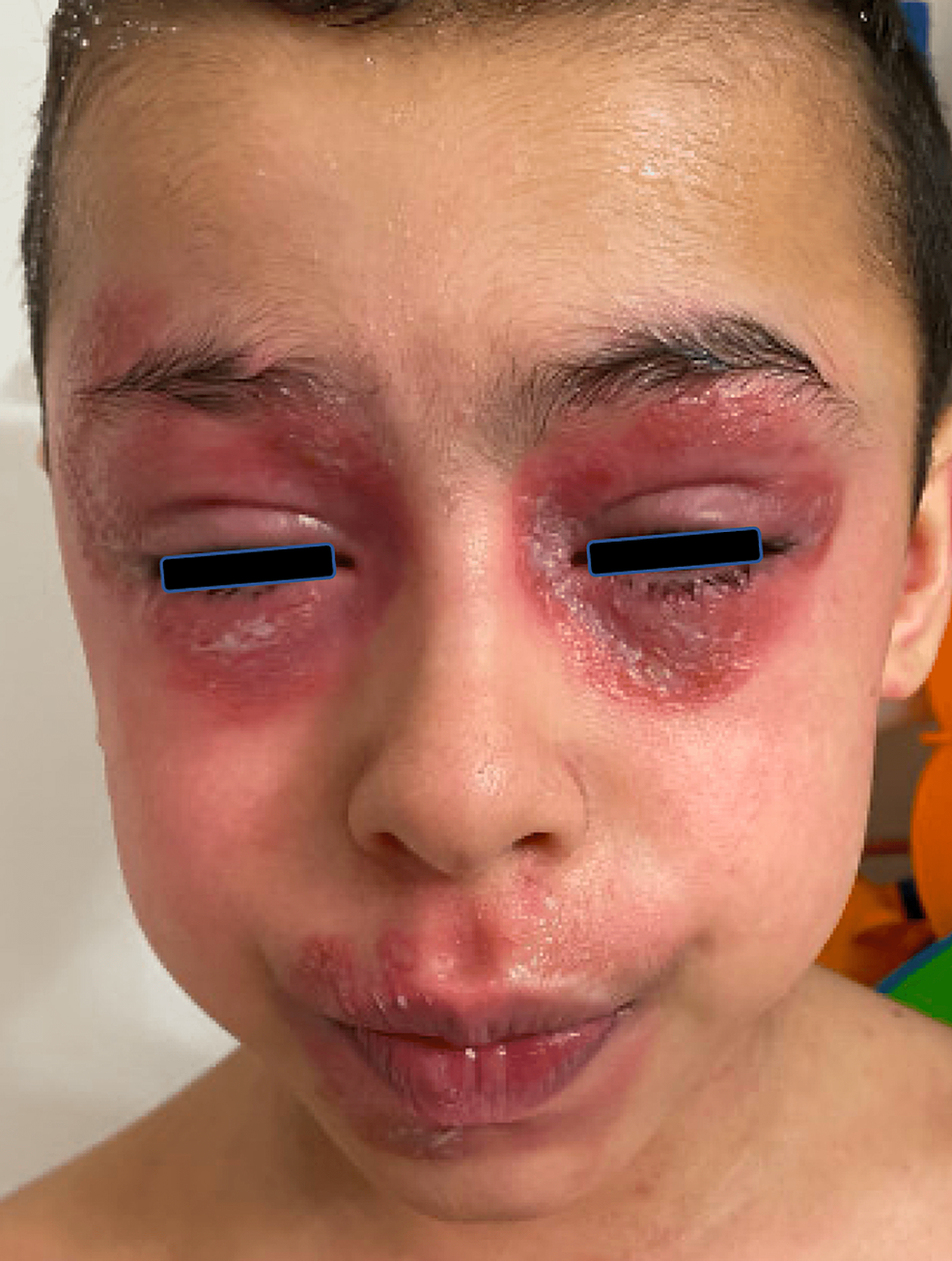
Dupilumab-Associated Head and Neck Dermatitis With Ocular Involvement in a Ten-Year-Old With Atopic Dermatitis: A Case Report and Review of the Literature
Facial and neck erythema secondary to dupilumab use is a side effect not reported in clinical trials; however, it has been reported aftermarket initially in adults and most recently in adolescents. We report the youngest known case of head and neck dermatitis (HND) secondary to Malassezia furfur accompanied by ocular involvement.
This is the youngest known case of dupilumab-associated HND and conjunctivitis. Overall, oral antifungals appear effective for treating pediatric patients with dupilumab-associated HND. Additionally, topical antifungal therapy may have a role in maintenance therapy.
• Source: Cureus
• Relevance: “A ten-year-old boy with a history of severe AD ongoing since infancy presented to the allergy clinic for disease management. His AD had been refractory to several potent topical corticosteroids, topical calcineurin inhibitors, and phototherapy …. Due to his recalcitrant disease, he was started on dupilumab 200mg every two weeks with a significant early improvement of AD of the trunk and extremities.”
• Following 6 weeks of dupilumab treatment, the boy developed a progressive rash. This case is the youngest recorded of head-and-neck dermatitis and conjunctivitis secondary to dupilumab.
• The patient was successfully treated with fluconazole 150 mg PO weekly, as well as fluorometholone 0.1% eye drops for conjunctivitis.
• “Malassezia furfur may play an important role in HND pathophysiology, although anti-inflammatory properties of antifungals and other potential etiologies should still be considered,” wrote the authors. “Overall, oral antifungals appear effective for treating pediatric patients with dupilumab-associated HND.”