




The Association Between Sleep Duration and Cardiometabolic Risk Among Children and Adolescents in the United States (US): a NHANES Study
Source : https://pubmed.ncbi.nlm.nih.gov/38738838/
Longer sleep duration was associated with lower blood pressure and adiposity measures in children. Improving sleep quality by increasing physical activity and light exposure in childhood may decrease the lifetime...
In logistic regression models, longer sleep duration was associated with lower odds of obesity and overweight status.
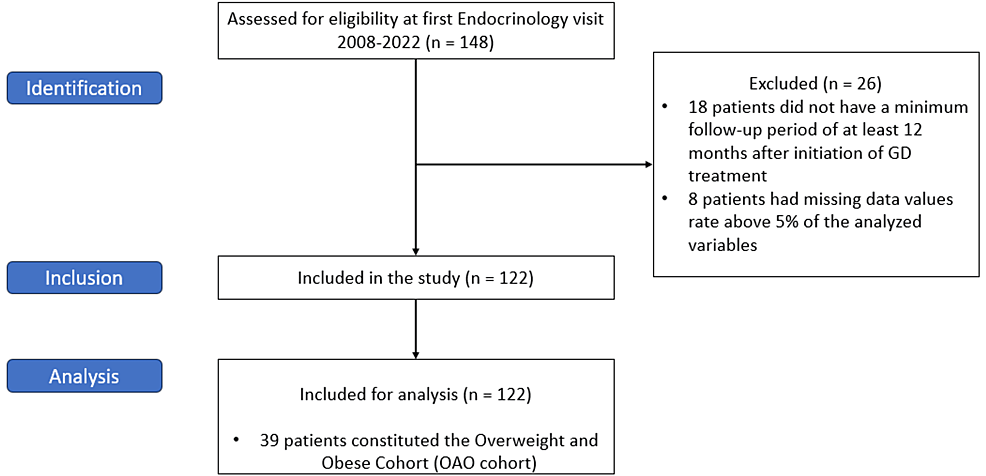
Exploring Post-Treatment Weight Changes in Overweight and Obese Patients With Graves’ Disease: a Retrospective Analysis
Introduction: Graves' disease (GD) is associated with primary hyperthyroidism, leading to weight loss before treatment. During the treatment, weight gain is frequently observed, often surpassing the initial weight loss. This...
After treatment, ≈60% of individuals encountered weight gain, exhibiting a higher prevalence among women and those undergoing definitive treatment modalities.
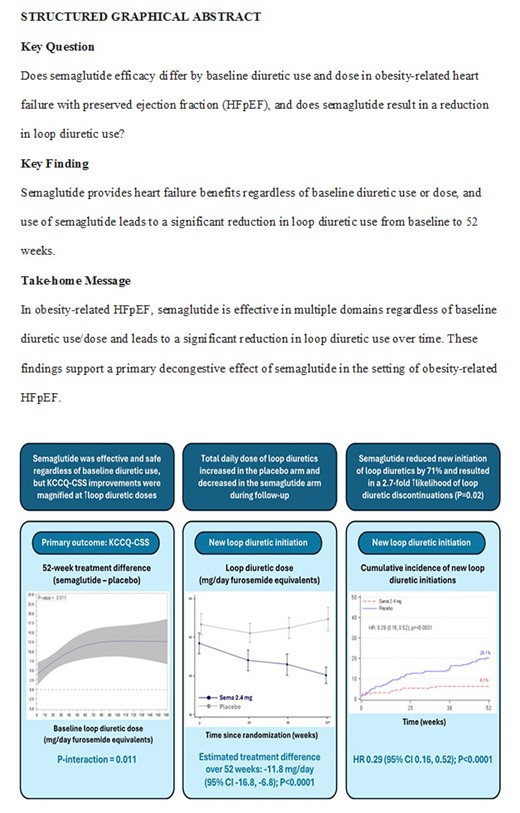
Semaglutide and Diuretic Use in Obesity-Related Heart Failure With Preserved Ejection Fraction: a Pooled Analysis of the STEP-HFpEF and STEP-HFpEF-DM Trials
Source : https://academic.oup.com/eurheartj/advance-article/doi/10.1093/eurheartj/ehae322/7670783?login=false
AbstractBackground and Aims. In the STEP-HFpEF trial program, treatment with semaglutide resulted in multiple beneficial effects in patients with obesity-r
In obesity-related HF with preserved ejection fraction, semaglutide was effective in multiple domains, regardless of baseline diuretic use/dose, and let to a significant reduction in loop diuretic use over time.
Endoscopic sleeve gastroplasty is cost saving compared with semaglutide in the treatment of class 2 obesity.

A composite proportion of patients had a clinically meaningful change, comprising a reduction in BMI Z score of ≥0.2 points for patients aged <18 years and reduction in bodyweight of ≥5% for patients aged ≥18 years.

Hedonic Hunger, Eating Behavior, and Food Reward and Preferences 1 Year After Initial Weight Loss by Diet or Bariatric Surgery
Source : https://pubmed.ncbi.nlm.nih.gov/38653583/
Continued WL with bariatric surgery is paralleled by favorable changes in eating behavior and food reward and preferences. By contrast, controls experienced weight regain at 1Y follow-up and no changes...
Decreases in emotional eating, hunger, disinhibition, and food reward and increases in dietary restraint were seen at 1 year of follow-up in the bariatric-surgery groups alone.

Safety of Low Weight Gain or Weight Loss in Pregnancies With Class 1, 2, and 3 Obesity: a Population-Based Cohort Study
Source : https://pubmed.ncbi.nlm.nih.gov/38555927/
Karolinska Institutet and the Eunice Kennedy Shriver National Institute of Child Health and Human Development.
For people with class 3 obesity, maintaining or losing weight during pregnancy was not only safe but linked with a reduced risk of adverse outcomes.

Dual Glucagon-Like Peptide-1 and Glucagon Receptor Agonism Reduces Energy Intake in Type 2 Diabetes With Obesity
Source : https://pubmed.ncbi.nlm.nih.gov/38562018/
Weight loss with cotadutide is primarily driven by reduced EI, with relatively small compensatory changes in EE.
Mean weight change was -4.0% and -1.4% for the cotadutide and placebo groups, respectively, and energy intake was lower with cotadutide versus placebo.

Identification of Minimum Thresholds for Dietary Self-Monitoring to Promote Weight-Loss Maintenance
Source : https://pubmed.ncbi.nlm.nih.gov/38529540/
Results demonstrate that self-monitoring at least 3 days/week may be beneficial for supporting long-term maintenance, although greater benefit (in relation to weight loss) may be realized at thresholds of 5...
Results demonstrate that self-monitoring at least 3 days/week may be beneficial for supporting long-term maintenance, although greater benefit may be realized at thresholds of 5 to 6 days/week.

Prepregnancy Maternal Obesity and Infant Neurodevelopmental Outcomes in Latino Infants
Source : https://pubmed.ncbi.nlm.nih.gov/38600046
Managing maternal obesity pre-pregnancy is crucial for improving infant neurodevelopmental outcomes, especially in low-income Latino families. Promoting healthy weight and enhancing infant diet quality can enhance neurodevelopment in these populations.
Prepregnancy BMI showed significant negative associations with child cognitive scores and language scores at 24 months.

Timing of Moderate to Vigorous Physical Activity, Mortality, Cardiovascular Disease, and Microvascular Disease in Adults With Obesity
Source : https://pubmed.ncbi.nlm.nih.gov/38592034/
Aerobic MVPA bouts undertaken in the evening were associated with the lowest risk of mortality, CVD, and MVD. Timing of physical activity may play a role in the future of...
Similar patterns were observed for CVD and microvascular disease incidence rates, with evening moderate to vigorous physical activity associated with the lowest risk of CVD and microvascular disease.
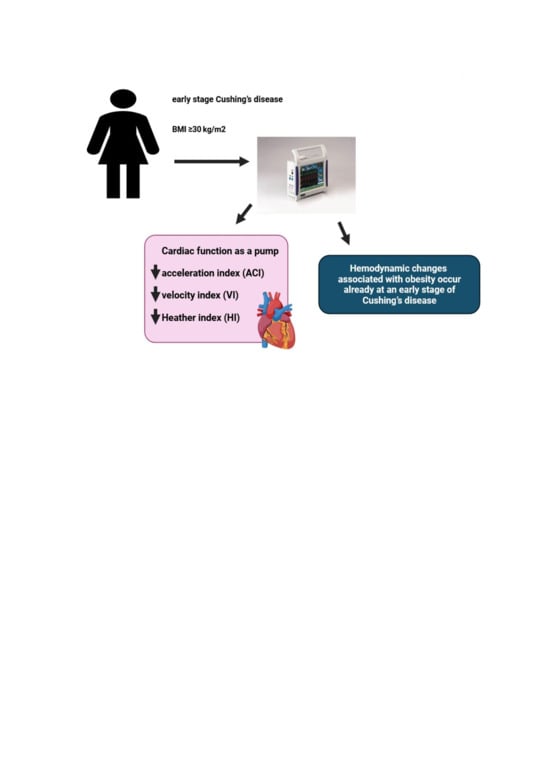
Obesity-Related Hemodynamic Alterations in Patients With Cushing's Disease
Source : https://www.mdpi.com/2077-0383/13/6/1658
Background: Cushing's disease (CD) is associated with a specific form of metabolic syndrome that includes visceral obesity, which may affect cardiovascular hemodynamics by stimulating hypercortisolism-related metabolic activity. The purpose of...
Use of novel diagnostic modalities demonstrated that excessive fat accumulation in young and middle-aged patients with Cushing disease, already at the early stages of the disease, is associated with some hemodynamic changes in the CV system.

Efficacy and Safety of Tirzepatide in Overweight and Obese Adult Patients With Type 1 Diabetes
Source : https://pubmed.ncbi.nlm.nih.gov/38512447/
In this pilot (off-label) study, we conclude that tirzepatide facilitated an average 18.5% weight loss (>46 pounds) and improved glucose control in OW/OB patients with T1D at one year. For...
There were significantly larger declines in BMI and weight in the treated group than controls across all time points among those in whom data were available.

Mean changes in bodyweight from baseline to week 46 were –6.2%, –12.5%, –13.2%, –14.9%, and –2.8%.
In this cross-sectional study of 5229 individuals, prevalence of obesity was highest among people who identified as Asian, Pacific Islander, and White (52.0%).
These findings suggest that sarcopenic obesity may be associated with worse survival, and conducting screening for muscle function may help prevent premature death among older people.

Efficacy and Safety of Once Weekly Semaglutide 2·4 mg for Weight Management in a Predominantly East Asian Population With Overweight or Obesity (STEP 7): a Double-Blind, Multicentre, Randomised Controlled Trial
Source : https://pubmed.ncbi.nlm.nih.gov/38330988/
For the Mandarin, Portuguese and South Korean translations of the abstract see Supplementary Materials section.
At week 44, the proportion of participants who lost 5% or more of their bodyweight was higher in the semaglutide 2.4 mg group than in the placebo group.

Exploring the Association Between Suicidal Thoughts, Self-Injury, and GLP-1 Receptor Agonists in Weight Loss Treatments: Insights From Pharmacovigilance Measures and Unmasking Analysis
Source : https://pubmed.ncbi.nlm.nih.gov/38508100/
With the current pharmacovigilance approach, no causality link between suicidal ideation and use of any GLP-1 RA can be inferred. There is a need for further research and vigilance in...
The authors postulated that rapid weight loss achieved with GLP-1 receptor agonists could potentially trigger significant emotional, biologic, and psychological responses, possibly impacting suicidal and self-injurious ideations.

A Low-Burden, Self-Weighing Intervention to Prevent Weight Gain in Adults With Obesity Who Do Not Enroll in Comprehensive Treatment
Source : https://pubmed.ncbi.nlm.nih.gov/38510333
A low-burden self-weighing intervention can reach adults with overweight/obesity who would be unlikely to engage in comprehensive weight loss programs; the efficacy of this intervention for preventing weight gain should...
This feasibility trial showed that a meaningful portion of adults with obesity who do not enroll in a comprehensive weight loss program would enroll in a low burden, remotely delivered self‐weighing program.

Experiences and Outcomes of Indigenous Patients Undergoing Bariatric Surgery: a Mixed-Method Scoping Review
Source : https://pubmed.ncbi.nlm.nih.gov/38400946/
Obesity and type 2 diabetes (T2D) are growing global health concerns. Evidence suggests that Indigenous peoples are at higher lifetime risk of obesity and its associated conditions. Obesity increases the...
Indigenous patients had fewer bariatric procedures, poorer clinic attendance, similar weight loss outcomes, and slightly higher postoperative complication rates.