



Is Atopic Dermatitis Only a Skin Disease?
Source : https://www.mdpi.com/1422-0067/24/1/837
Atopic dermatitis (AD) is a chronic, pruritic, inflammatory dermatosis that imposes significant patient and population burdens. In addition to the cutaneous signs and symptoms, growing evidence suggests that AD is...
Conclusions: AD appears to be associated with multiple comorbid allergic, cardiovascular, mental health, neurologic, autoimmune, and metabolic conditions. It is essential to determine the extent to which this coexistence is linked to exposure to, often modifiable, risk factors, as well as genetics and immune dysregulations. Additionally,...
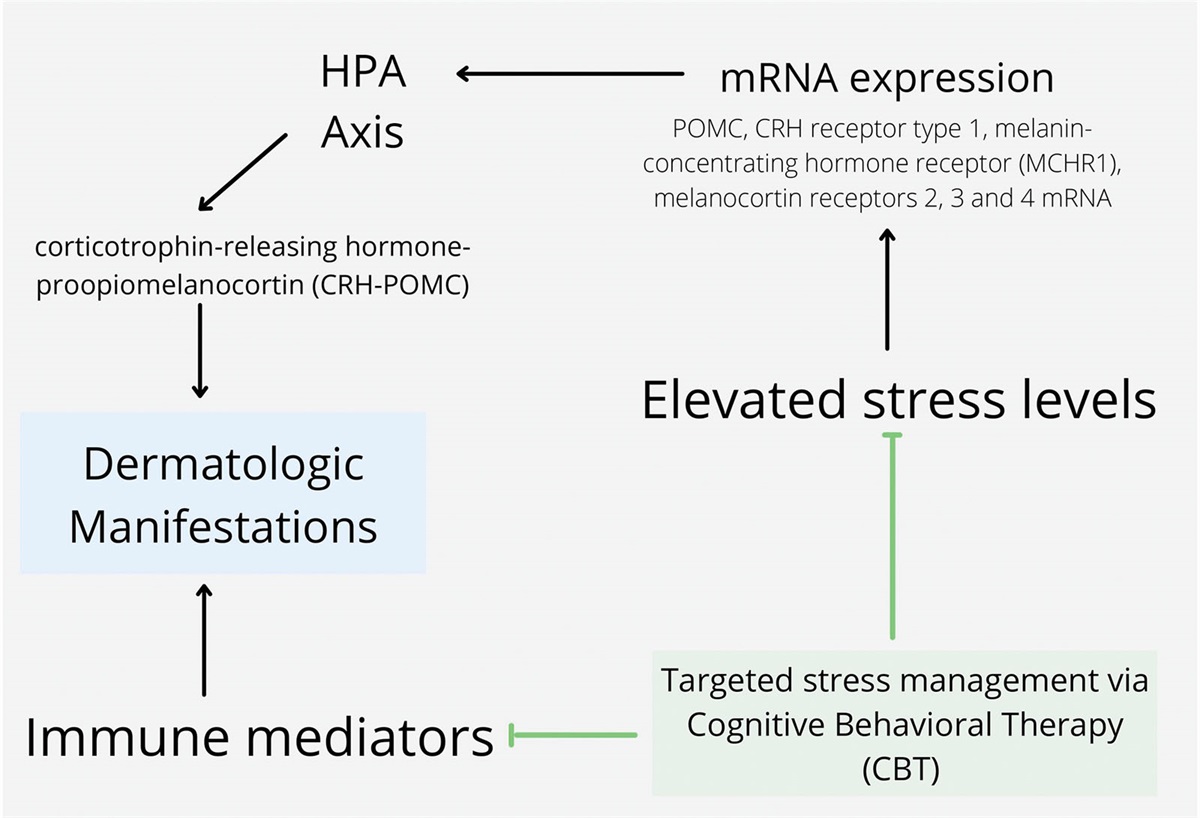
Cognitive behavior therapy as dermatological treatment: a... : International Journal of Women's Dermatology
Objective: To summarize the findings on the utility of CBT for the improvement of skin status and quality of life in patients with dermatological conditions. Methods: PubMed and Google Scholar...
Conclusions: Patients who underwent CBT or Internet CBT in addition to skin care demonstrated improvement with quality of life and severity of skin disease as compared to controls only receiving standard of care treatment.

Exploring the clinical features and risk factors for children tinea capitis complicated with allergic diseases - PubMed
Source : https://pubmed.ncbi.nlm.nih.gov/36564975/
M. canis and T. mentagrophytes were the most prevalent pathogens of tinea capitis in the last 15 years; atopic dermatitis/eczema and allergic rhinitis were the most frequently associated allergic diseases....
Conclusions: M. canis and T. mentagrophytes were the most prevalent pathogens of tinea capitis in the last 15 years; atopic dermatitis/eczema and allergic rhinitis were the most frequently associated allergic diseases. Male, kerion, zoophilic pathogen and animal contact history are risk factors.
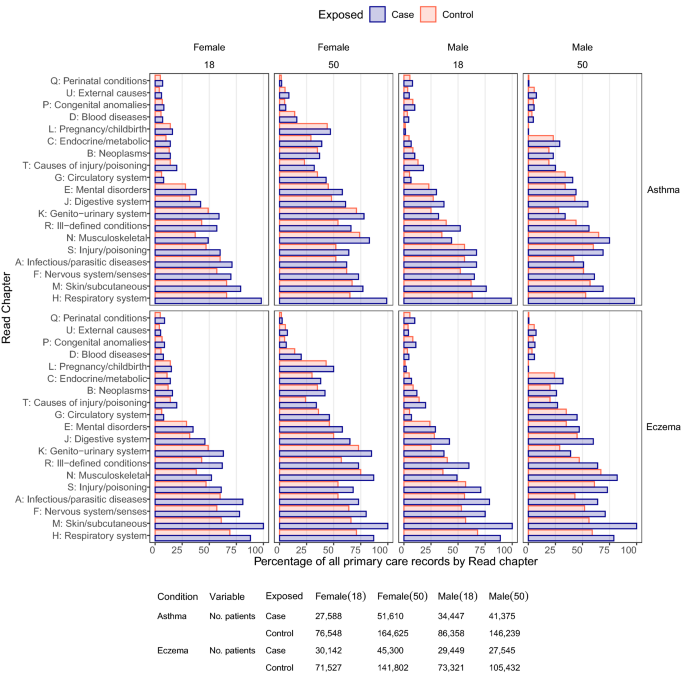
Novel multimorbidity clusters in people with eczema and asthma: a population-based cluster analysis - Scientific Reports
Source : https://www.nature.com/articles/s41598-022-26357-x
Eczema and asthma are allergic diseases and two of the commonest chronic conditions in high-income countries. Their co-existence with other allergic conditions is common, but little research exists on wider...
Discussion: Key insights from this study include associations with injury, mental health conditions and disorders of the digestive system. Our work gives a new understanding of multimorbidity in populations with eczema and asthma and suggests the need for holistic approaches in care and research.

Aetiology of occupational hand eczema in hairdressers: tackling the complexity of exposure combinations to identify patterns associated with increased risk of hand eczema - PubMed
Source : https://pubmed.ncbi.nlm.nih.gov/36495303/
Although occupational exposures in hairdressing are complex, meaningful patterns associated with a wide range of OHE risk can be identified by LCA. The increase of OHE risk seems predominantly to...
Conclusions: Although occupational exposures in hairdressing are complex, meaningful patterns associated with a wide range of OHE risk can be identified by LCA. The increase of OHE risk seems predominantly to be due to poor compliance with protective gloves.
-
Dr Hamid3yrHairdressers are exposed to wet work and manifold allergens at work, rendering exposure complex and the aetiology of occupational hand eczema often multifactorial in this occupational group