


A cross-sectional study of Chinese women facial skin status with environmental factors and individual lifestyles - Scientific Reports
Source : https://www.nature.com/articles/s41598-022-23001-6
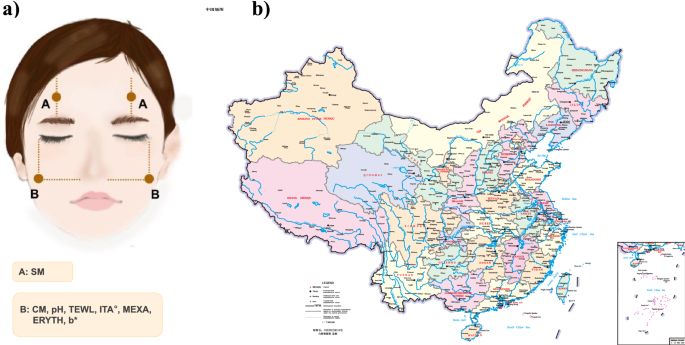
Geographical, environmental and pollution conditions affect facial skin health, but their effects on skin appearance have not been elucidated. This study aimed to describe the skin barrier and skin tone...
Discussion: provides evidence of associations of facial skin status with environmental factors and individual lifestyles in a large population of Chinese people, and reviews a number of relevant studies with the molecular mechanisms.

Bullous Pemphigoid vs. Atopic Dermatitis | CCID
Type 2 inflammation is characterized by Th2 cells, innate lymphoid cells (ILCs) and type 2 cytokines. Allergens, infection and pollutants can derive type 2 responses and promote secretion of Th2...
Conclusions: TSLP was significantly higher in blister fluids and skin lesions of BP, suggesting that it might contribute to the pathogenesis of BP. BP exhibited a similar type 2 immune response and a slight difference in cells infiltrations with AD.

Contribution of Patch Tests with Occupational Handled Products in the Diagnosis of Occupational Contact Dermatitis: A 10-year Review
Source : https://www.hindawi.com/journals/drp/2022/6768932/
Introduction . Allergic contact dermatitis (ACD) is a common occupational disease. Its diagnosis is essentially based on interrogation and patch tests. However, commercially available batteries are sometimes not appropriate for...
Conclusion: This study has shown that patch tests with handled products in the workplace provide solid arguments in favor of the professional origin of ACD. For 19 patients, tests for manipulated products had added value since the EBS was negative. With the appearance of new professional agents leading to the increased prevalence of ACD, the...

National Information Campaign Revealed Disease Characteristic and Burden in Adult Patients Suffering from Atopic Dermatitis
Source : https://www.mdpi.com/2077-0383/11/17/5204
Atopic dermatitis (AD) is a common inflammatory skin disease often associated with a significant impairment in the quality of life of affected patients. The Italian Society of Dermatology and Venereology...
Conclusion: This study underlines the utility of organizing information campaigns on AD to enhance awareness regarding disease features and management and to facilitate early diagnosis with a subsequent reduction in the burden of disease.

Defining mast cell differentiation and heterogeneity through single-cell transcriptomics analysis - PubMed
Source : https://pubmed.ncbi.nlm.nih.gov/36205448/
Mast cells (MCs) are widely recognized as central effector cells during type 2 inflammatory reactions and thought to also play a role in innate immune responses, wound healing, and potentially...
Discussion: With the increasing prevalence of newer transcriptomics-based technologies, such as Cellular Indexing of Transcriptomes and Epitopes (CITE-seq), allowing for the simultaneous evaluation of surface protein expression and transcript expressions, allowing for the improved identification of specific markers for each MC phenotype, and...