


A Review of Phase 3 Trials of Dupilumab for the Treatment of Atopic Dermatitis in Adults, Adolescents, and Children Aged 6 and Up - Dermatology and Therapy
Source : https://link.springer.com/article/10.1007/s13555-022-00778-y
Atopic dermatitis (AD) is a chronic pruritic skin disease that can have a profound negative impact on patients' quality of life, especially in cases of inadequate disease control. Dupilumab, a...
Conclusion: In summary, phase 3 clinical trials of dupilumab demonstrate that dupilumab provides a multidimensional benefit in patients ages 6 years and older with moderate-to-severe AD, with rapid and sustained improvements in AD signs and symptoms and an acceptable safety profile.
-
Jeremy Moss, Medical director and physician3yrThis article helps to solidify that dupixent is an excellent first line medicine for moderate to severe AD. It is a go-to medicine in my practice. My experience Show More
-
Barbara Honig3yrIndeed, we should feel very comfortable prescribing dupixent - minimal side effects and no lab monitoring needed - and now also approved for children aged 6 months to 5 years Show More

Atopic dermatitis and risk of major neuropsychiatric disorders in children: a population-based cohort study - PubMed
Source : https://pubmed.ncbi.nlm.nih.gov/36018560/
The was no substantial impact of AD on the overall risk of many neuropsychiatric conditions in children, but disease severity and age may be important modifying factors. Additional research is...
Conclusion: There was no substantial impact of AD on the overall risk of many neuropsychiatric conditions in children, but disease severity and age may be important modifying factors.

Taking Vitamin D Supplements While Pregnant Can Reduce Your Child's Risk of Eczema
Prenatal vitamin D supplementation may reduce the risk of eczema in newborns. According to a recent study by doctors at the University of Southampton, using vitamin D supplements during pregnancy...
Discussion: The study, which was published in the British Journal of Dermatology, found that women who took 1000 international units (IU) of vitamin D daily from 14 weeks of pregnancy until delivery had a decreased chance of their babies developing atopic eczema in the first year.

UK Biobank: As hard water levels increase, so does the burden of eczema | Latest news for Doctors, Nurses and Pharmacists | Dermatology
Exposure to domestic hard water in high concentrations appears to go with a corresponding increase in the prevalence of eczema in adults, as reported in a UK study. Using data...
Discussions: The researchers specified a number of biological mechanisms by which hard water may damage the skin barrier, which in turn contributes to the development and progression to more severe and persistent eczema.
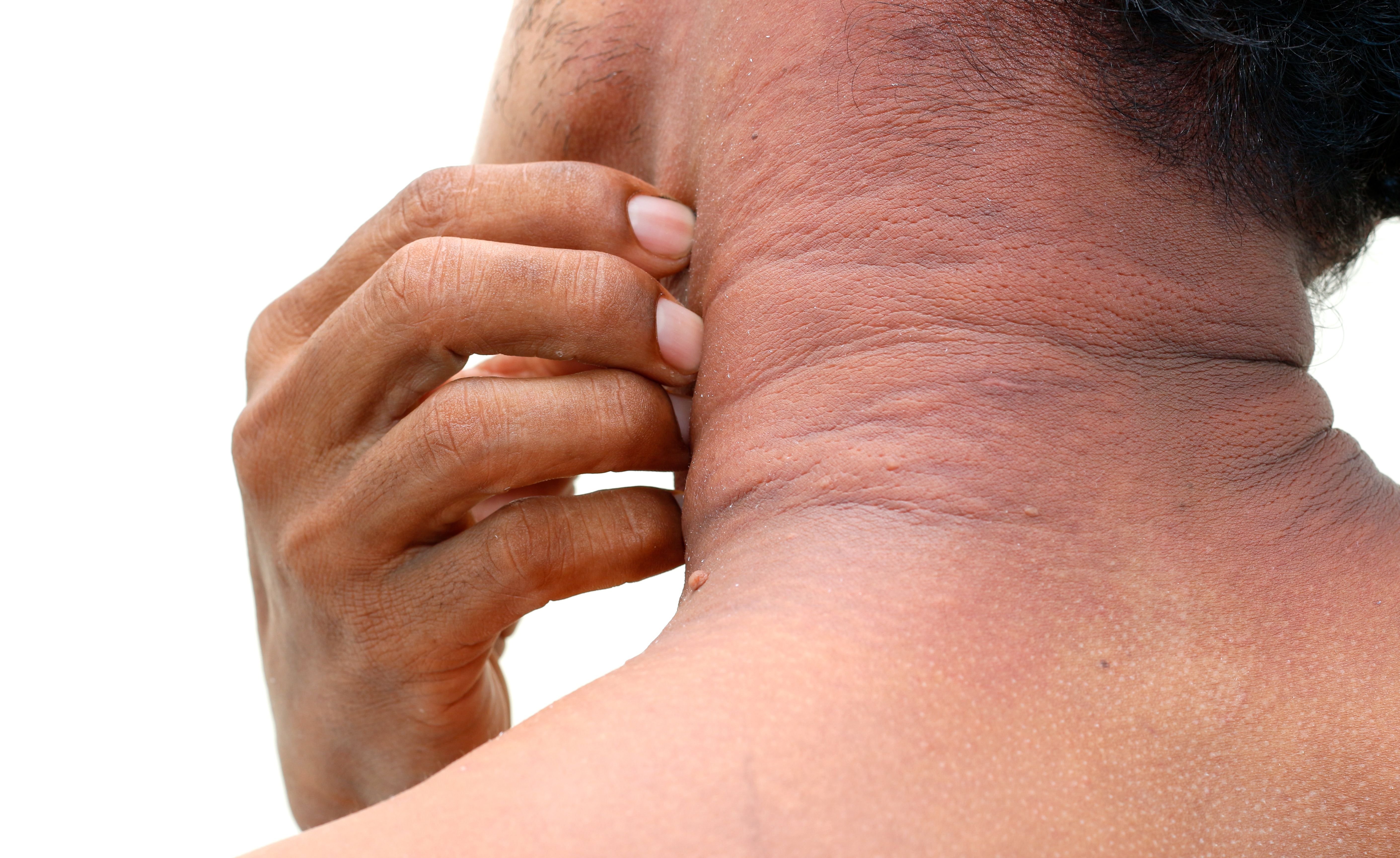
Prevent or Reduce Atopic Dermatitis Flare-Ups
Source : https://www.pharmacytimes.com/view/prevent-or-reduce-atopic-dermatitis-flare-ups
Pharmacists can provide advice to patients who are seeking guidance on how to prevent and treat atopic dermatitis (AD), given the many topical nonprescription products on the market, such as...
Conclusion: We can educate patients about the best OTC products for AD and the importance of using OTC skin care products that contain ceramides, which can be beneficial in maintaining, protecting, and restoring the natural skin barrier function and overall dermatological health. We can also direct patients to the NEA website that lists skin...
-
Barbara Honig3yrCareful and consistent OTC skin care focused on hydration (ceramides and petrolatum-based products work best in most patients) and restoration of the skin barrier cannot be ignored. It is the Show More